Array
(
[2] => Array
(
[0] => Array
(
[0] => 1072
[id] => 1072
[1] => 2
[id_seccion] => 2
[2] => Colombia at the Berlin Film Festival
[noticia] => Colombia at the Berlin Film Festival
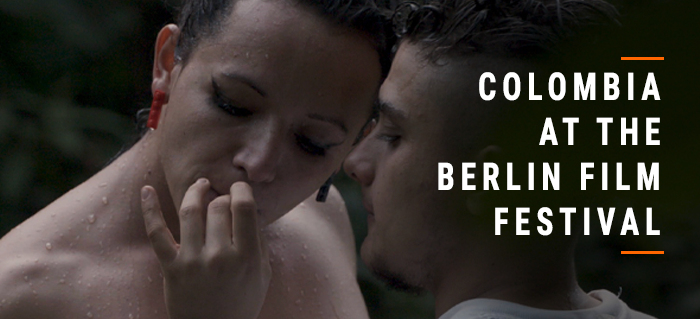
[3] => From February 16th to 26th, the 73rd Berlin International Film Festival is featuring an impressive Colombian presence. This participation includes the co-production Transfariana in the Documentary Panorama, Arde un reino (Burning kingdom) in the Co-production Market, Melancolía in the Fiction Toolbox, seven participants in the Berlinale Talents program, and Diana Bustamante and Juanita Onzaga as members of the jury. In addition, representatives from more than 20 institutions and companies are also taking part in the event. At the close of this edition, Arde un reino had received recognition by the Talent Highlight Award.
[abstract] => From February 16th to 26th, the 73rd Berlin International Film Festival is featuring an impressive Colombian presence. This participation includes the co-production Transfariana in the Documentary Panorama, Arde un reino (Burning kingdom) in the Co-production Market, Melancolía in the Fiction Toolbox, seven participants in the Berlinale Talents program, and Diana Bustamante and Juanita Onzaga as members of the jury. In addition, representatives from more than 20 institutions and companies are also taking part in the event. At the close of this edition, Arde un reino had received recognition by the Talent Highlight Award.
[4] =>
[link] =>
[5] =>
[etiqueta_link] =>
[6] => Encabezado_1.png
[foto] => Encabezado_1.png
[7] =>
[pie_foto] =>
[8] =>
[ubicacion_bl] =>
[9] => 1
[orden] => 1
[10] => Established in 1951, the Berlin International Film Festival - Berlinale is a space for cross-cultural exchange and critical cinematic exploration of social issues. It is considered the world's most politically-oriented major film festival, discovering new talents and supporting filmmakers from all backgrounds in their professional paths, projects, and visions. Each year, the festival showcases around 400 films across various genres and formats in different sections and special presentations.
The Panorama section, which focuses on queer, feminist, and political issues while breaking down categories and considering unconventional elements in today's cinema, will feature Transfariana, directed by Joris Lachaise and produced by Guillermo Quintero and Anahí Farfán of Fuega Cine. The film is a beneficiary of the 2021 Film Development Fund (FDC) in the Minority Co-Production category.
Arde un reino, a project in development and second feature film by Catalina Arroyave (Los días de la ballena), is participating in the Berlinale Co-Production Market. This five-day event brings together 600 selected international producers, sales agents, distributors, and broadcast and financing representatives actively working on international co-productions. Projects can find co-production partners and financing opportunities at this event. In this same space, as part of the Visitors' Programme —focused on emerging producers— Andrés Gómez, Yeily Antonio, and Alejandro Zapata will also be participating.
Thanks to the Film Development Fund - FDC, Heny L Cuesta Mena's Melancolía project participates in the Fiction Toolbox program. This is an EFM Diversity & Inclusion initiative that provides commercial tools and connections to entry- to mid-level fiction feature film producers or filmmakers in the fiction sector, specifically focusing on creators from marginalized and underrepresented groups.
In addition, visual artist Manuel Correa, director Simón Mesa Soto (Leidi, Amparo), sound designer María Alejandra Rojas (Retrato de un artista, El buen salvaje), producer Jaime Guerrero (Los días de la ballena), Gustavo Lorgia Garnica (Memoria, Litigante), director and producer Jorge Forero (Violencia), and Elkin Calderón Guevara, will participate in the Berlinale Talents.
Juanita Onzaga (Nuestro canto a la guerra) will serve as a member of the Generation 14plus International Jury. Onzaga, a Colombian-born filmmaker and artist based in Brussels, Bogotá, and Mexico, weaves fiction and non-fiction in her films, exploring the importance of mysticism, ancestral knowledge, and the transformation of the trauma resulting from violent conflict. Meanwhile, Diana Bustamante (Memoria, Nuestra película) will join the Documentary Award Jury. As a producer, director, and programmer, Bustamante has significantly contributed to establishing Colombian cinema as a global presence. Her productions have been showcased twice in the Forum section of the Berlinale.
Likewise, with the support of the FDC, Colombia will have a stand (number 149) at the Gropius Bau, the venue of the European Film Market. The stand, along with the Conference of Audiovisual and Cinematographic Authorities of Ibero-America — CAACI and the Mexican Institute of Cinematography — IMCINE, is part of the pilot initiative Identidad Latina (Latin Identity). The stand aims to accompany the Colombian delegation to the festival, which includes Claudia Triana, Carlos Moreno, and Isabel Cuadros from Proimágenes Colombia; Katalina Tobón representing the Bogotá Audiovisual Market - BAM; Andrés Bayona from Bogotá International Film Festival — BIFF; Diana Dudek from Cineplex; Salym Fayad from the Muestra Itinerante de Cine Africano MUICA; and Loreta Gandolfi from the Festival Internacional de Cine de Cartagena de Indias -FICCI.
In addition, the event will be attended by directors and producers Josephine Landertinger Forero from Global Eyes; Juan Felipe González Barrero from Espectro Media; Marco Vélez Esquivia from 2/4 Producciones; Diego García from It's a Wrap; Henry Cuesta from Cimarrón Producciones; Andrés Suárez from the distribution company Interior XIII; Diana Camargo Buriticá from Laberinto Cine y Televisión; Antón Rivera Evseeva from Backbone Films; David Barrera from Minded Factory; Wilson Javier Arango Giraldo from Animal Films; Federico Mejía and Eric Giovannini from Babilla Cine; Diego Armando Gómez Palacios; and Augusto Sandino from Schweizen Media.
[contenido] => Established in 1951, the Berlin International Film Festival - Berlinale is a space for cross-cultural exchange and critical cinematic exploration of social issues. It is considered the world's most politically-oriented major film festival, discovering new talents and supporting filmmakers from all backgrounds in their professional paths, projects, and visions. Each year, the festival showcases around 400 films across various genres and formats in different sections and special presentations.
The Panorama section, which focuses on queer, feminist, and political issues while breaking down categories and considering unconventional elements in today's cinema, will feature Transfariana, directed by Joris Lachaise and produced by Guillermo Quintero and Anahí Farfán of Fuega Cine. The film is a beneficiary of the 2021 Film Development Fund (FDC) in the Minority Co-Production category.
Arde un reino, a project in development and second feature film by Catalina Arroyave (Los días de la ballena), is participating in the Berlinale Co-Production Market. This five-day event brings together 600 selected international producers, sales agents, distributors, and broadcast and financing representatives actively working on international co-productions. Projects can find co-production partners and financing opportunities at this event. In this same space, as part of the Visitors' Programme —focused on emerging producers— Andrés Gómez, Yeily Antonio, and Alejandro Zapata will also be participating.
Thanks to the Film Development Fund - FDC, Heny L Cuesta Mena's Melancolía project participates in the Fiction Toolbox program. This is an EFM Diversity & Inclusion initiative that provides commercial tools and connections to entry- to mid-level fiction feature film producers or filmmakers in the fiction sector, specifically focusing on creators from marginalized and underrepresented groups.
In addition, visual artist Manuel Correa, director Simón Mesa Soto (Leidi, Amparo), sound designer María Alejandra Rojas (Retrato de un artista, El buen salvaje), producer Jaime Guerrero (Los días de la ballena), Gustavo Lorgia Garnica (Memoria, Litigante), director and producer Jorge Forero (Violencia), and Elkin Calderón Guevara, will participate in the Berlinale Talents.
Juanita Onzaga (Nuestro canto a la guerra) will serve as a member of the Generation 14plus International Jury. Onzaga, a Colombian-born filmmaker and artist based in Brussels, Bogotá, and Mexico, weaves fiction and non-fiction in her films, exploring the importance of mysticism, ancestral knowledge, and the transformation of the trauma resulting from violent conflict. Meanwhile, Diana Bustamante (Memoria, Nuestra película) will join the Documentary Award Jury. As a producer, director, and programmer, Bustamante has significantly contributed to establishing Colombian cinema as a global presence. Her productions have been showcased twice in the Forum section of the Berlinale.
Likewise, with the support of the FDC, Colombia will have a stand (number 149) at the Gropius Bau, the venue of the European Film Market. The stand, along with the Conference of Audiovisual and Cinematographic Authorities of Ibero-America — CAACI and the Mexican Institute of Cinematography — IMCINE, is part of the pilot initiative Identidad Latina (Latin Identity). The stand aims to accompany the Colombian delegation to the festival, which includes Claudia Triana, Carlos Moreno, and Isabel Cuadros from Proimágenes Colombia; Katalina Tobón representing the Bogotá Audiovisual Market - BAM; Andrés Bayona from Bogotá International Film Festival — BIFF; Diana Dudek from Cineplex; Salym Fayad from the Muestra Itinerante de Cine Africano MUICA; and Loreta Gandolfi from the Festival Internacional de Cine de Cartagena de Indias -FICCI.
In addition, the event will be attended by directors and producers Josephine Landertinger Forero from Global Eyes; Juan Felipe González Barrero from Espectro Media; Marco Vélez Esquivia from 2/4 Producciones; Diego García from It's a Wrap; Henry Cuesta from Cimarrón Producciones; Andrés Suárez from the distribution company Interior XIII; Diana Camargo Buriticá from Laberinto Cine y Televisión; Antón Rivera Evseeva from Backbone Films; David Barrera from Minded Factory; Wilson Javier Arango Giraldo from Animal Films; Federico Mejía and Eric Giovannini from Babilla Cine; Diego Armando Gómez Palacios; and Augusto Sandino from Schweizen Media.
[11] => 2486
[id_pelicula] => 2486
[12] =>
[fotografia_alt] =>
[13] =>
[fotografia_big_alt] =>
)
)
[4] => Array
(
[0] => Array
(
[0] => 1073
[id] => 1073
[1] => 4
[id_seccion] => 4
[2] => Exhibition Figures
[noticia] => Exhibition Figures
[3] =>
[abstract] =>
[4] =>
[link] =>
[5] =>
[etiqueta_link] =>
[6] => 3.png
[foto] => 3.png
[7] =>
[pie_foto] =>
[8] =>
[ubicacion_bl] =>
[9] => 1
[orden] => 1
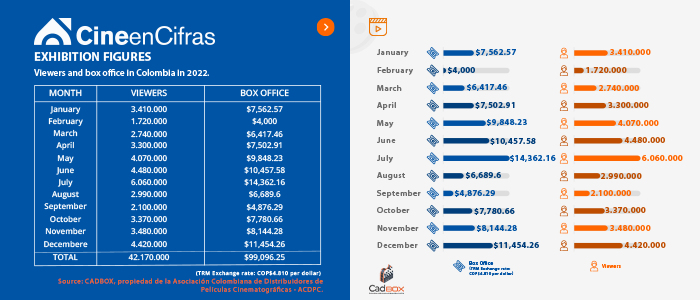
[10] => Viewers and box office in Colombia in 2022.
[contenido] => Viewers and box office in Colombia in 2022.
[11] =>
[id_pelicula] =>
[12] =>
[fotografia_alt] =>
[13] =>
[fotografia_big_alt] =>
)
)
[5] => Array
(
[0] => Array
(
[0] => 1074
[id] => 1074
[1] => 5
[id_seccion] => 5
[2] => Colombia in Rotterdam
[noticia] => Colombia in Rotterdam
[3] => Colombia had a significant presence at the Dutch festival, which concluded on February 5th, with two feature films, three short films in the official section, one short film in the educational program, and three projects in the market.
[abstract] => Colombia had a significant presence at the Dutch festival, which concluded on February 5th, with two feature films, three short films in the official section, one short film in the educational program, and three projects in the market.
[4] =>
[link] =>
[5] =>
[etiqueta_link] =>
[6] => Nota secundaria 1_Rotterdam.png
[foto] => Nota secundaria 1_Rotterdam.png
[7] =>
[pie_foto] =>
[8] =>
[ubicacion_bl] =>
[9] => 1
[orden] => 1
[10] => The International Film Festival Rotterdam (IFFR) is among Europe's five most prestigious film festivals, along with Cannes, Venice, Berlin, and Locarno. The festival's carefully curated program features high-quality selections of fiction and documentary feature films, short films, and media art. The IFFR showcases the works of talented emerging filmmakers while offering retrospectives and thematic programs. Additionally, the festival actively supports new film talent through its co-production market CineMart, its Hubert Bals Fund, Rotterdam Lab, and other industry activities.
For its 52nd edition, Colombia participated in the feature film section with two films. The first was Mudos testigos (Mute witnesses), an experimental found-footage film by Jerónimo Atehortúa and Luis Ospina. The film uses fragments of twelve films from the silent period of Colombian cinema and literature quotations to create a new narrative for an imaginary movie: a romantic melodrama that takes place during the first half of the 20th century, depicting the story of the impossible love between Efraín and Alicia. The second film was Diego Guzmán's animated feature La otra forma (The other way), financed by the Film Development Fund in the Production modality. This dialogue-free proposal presents a dystopian future in which everything is molded into a world of straight lines and angles.
The festival's Short and Medium section offers a program of short and medium-length films showcasing works that run for under 63 minutes. Among them was Daniel Mateo Vallejo's Vienen las grietas (Here come the cracks), a film where nature beckons Keisi, who works in a rigid and sterile art gallery. The exhibition of photographs on display there reflects her yearning to escape. The film explores identity themes and how art institutions both appropriate and deny queer expression. In Kimberly Forero-Arnias' Recortes (Clippings), migration from the family farm to the big cities has left the filmmaker with a sense of loss for generations of ecological knowledge she has not inherited. Through this archive, diary, and family history, she weaves a story that amplifies the importance of shared learning and relationship-building about a place, over and above mere distanced observation.
Juanita Onzaga's Las tierras que te buscan (The lands looking for you) was a part of CineMart, IFFR Pro's co-production market that presents a list of projects in development to representatives of the international industry.
The Marginal Cine production explores a young woman's journey through Colombia as she searches for the spirit of her missing brother. Estefanía Piñeres's Color-ido (Color gone) was included in the IFFR's Educational Program, which organizes educational activities and projects to familiarize children and students with independent cinema.
Thanks to the Bogotá Audiovisual Market and the support of the Film Development Fund (FDC), Jaime Guerrero and César Rodríguez participated in the Rotterdam Lab, a training workshop for producers who are just starting their careers, which offers emerging international professionals the means to build and develop their professional network.
[contenido] => The International Film Festival Rotterdam (IFFR) is among Europe's five most prestigious film festivals, along with Cannes, Venice, Berlin, and Locarno. The festival's carefully curated program features high-quality selections of fiction and documentary feature films, short films, and media art. The IFFR showcases the works of talented emerging filmmakers while offering retrospectives and thematic programs. Additionally, the festival actively supports new film talent through its co-production market CineMart, its Hubert Bals Fund, Rotterdam Lab, and other industry activities.
For its 52nd edition, Colombia participated in the feature film section with two films. The first was Mudos testigos (Mute witnesses), an experimental found-footage film by Jerónimo Atehortúa and Luis Ospina. The film uses fragments of twelve films from the silent period of Colombian cinema and literature quotations to create a new narrative for an imaginary movie: a romantic melodrama that takes place during the first half of the 20th century, depicting the story of the impossible love between Efraín and Alicia. The second film was Diego Guzmán's animated feature La otra forma (The other way), financed by the Film Development Fund in the Production modality. This dialogue-free proposal presents a dystopian future in which everything is molded into a world of straight lines and angles.
The festival's Short and Medium section offers a program of short and medium-length films showcasing works that run for under 63 minutes. Among them was Daniel Mateo Vallejo's Vienen las grietas (Here come the cracks), a film where nature beckons Keisi, who works in a rigid and sterile art gallery. The exhibition of photographs on display there reflects her yearning to escape. The film explores identity themes and how art institutions both appropriate and deny queer expression. In Kimberly Forero-Arnias' Recortes (Clippings), migration from the family farm to the big cities has left the filmmaker with a sense of loss for generations of ecological knowledge she has not inherited. Through this archive, diary, and family history, she weaves a story that amplifies the importance of shared learning and relationship-building about a place, over and above mere distanced observation.
Juanita Onzaga's Las tierras que te buscan (The lands looking for you) was a part of CineMart, IFFR Pro's co-production market that presents a list of projects in development to representatives of the international industry.
The Marginal Cine production explores a young woman's journey through Colombia as she searches for the spirit of her missing brother. Estefanía Piñeres's Color-ido (Color gone) was included in the IFFR's Educational Program, which organizes educational activities and projects to familiarize children and students with independent cinema.
Thanks to the Bogotá Audiovisual Market and the support of the Film Development Fund (FDC), Jaime Guerrero and César Rodríguez participated in the Rotterdam Lab, a training workshop for producers who are just starting their careers, which offers emerging international professionals the means to build and develop their professional network.
[11] => 2913
[id_pelicula] => 2913
[12] =>
[fotografia_alt] =>
[13] =>
[fotografia_big_alt] =>
)
[1] => Array
(
[0] => 1075
[id] => 1075
[1] => 5
[id_seccion] => 5
[2] => Colombia in Clermont-Ferrand
[noticia] => Colombia in Clermont-Ferrand
[3] => Ten Colombian productions were part of the 45th edition of the world's most significant short film festival.
[abstract] => Ten Colombian productions were part of the 45th edition of the world's most significant short film festival.
[4] =>
[link] =>
[5] =>
[etiqueta_link] =>
[6] => Nota secudnaria 2_Colombia en clermont.png
[foto] => Nota secudnaria 2_Colombia en clermont.png
[7] =>
[pie_foto] =>
[8] =>
[ubicacion_bl] =>
[9] => 2
[orden] => 2
[10] => Established in 1979, the Clermont-Ferrand International Short Film Festival is organized by the Clermont-Ferrand Film Society and is held annually. France's second-largest film festival after Cannes aims to bring together industry professionals, such as filmmakers, producers, distributors, exhibitors, students, and the general public, around short film productions. In its 45th edition this year, two Colombian short films participated in the Official Selection, three short films in the Short Film Market Picks, and a delegation from Proimágenes Colombia attended market screenings.
Andrés Jiménez Quintero's Golem was featured in the International Competition. The film follows 16-year-old Emilio, a young man living in a humid region of Colombia with no choice but to join a paramilitary group due to his restlessness and lack of opportunities. The Colombian-French co-production Todo incluido (All Inclusive) by Duván Duque Vargas was showcased in the National Competition. The film portrays Fer, an eleven-year-old boy traveling with his father and stepmother to a rural resort a few hours' drive from the outskirts of Bogotá. Although Fer's father is there for business, he makes a point of spending quality time with his family, which has been missing from their lives for too long.
Six short films were showcased as part of the Market Screenings and featured in the Catalogue of Colombian Short Films Refresh-Vol. 4, a program initiated by the International Promotion Department of Proimágenes Colombia, supported by the Film Development Fund - FDC. The program aims to guide a selected number of Colombian short films in their distribution process and increase their national and international circulation.
Among the films showcased, Cristina Sánchez Salamanca's Bebé (Baby), produced by Natalia Barriga and Duván Duque, portrays Nina, who must face her insecurities and deteriorating relationship with her father during her stepsister's birthday. This production received the 2020 Grant for creating short fiction films for filmmakers with a trajectory from the Instituto Distrital de las Artes - Idartes (Bogotá's Arts Institute).
Paloquemao by Jeferson Cardoza Herrera, produced by Melisa Zapata Montoya, received the 2020 Creation Grant for new filmmakers from Idartes and was also part of the 12th edition of Euro Connection of the Clermont-Ferrand Short Film Market 2020 and the BFM Incubator of Bogoshorts Film Market 2019. The short film depicts the chaos that ensues when the largest blood trafficking network in Bogota is busted, and the tranquility of the Paloquemao Market Square is threatened by thirsty vampires lurking in its dark corridors.
Juan David Mejía Vásquez's short film, Negro el mar, produced by Jair Pérez Guerra, tells the story of Arnaldo, who carries music and a bohemian lifestyle in his blood. Struggling to survive in an indifferent community, Arnaldo finds himself caught between the need to earn money for his daughter, who does not live with him, and his desire to seek new horizons. He leaves everything behind and crosses the sea that separates him from his new life. This short film was a beneficiary of the FDC and a recipient of the Medellín Film Commission and Cultura Medellín incentives.
Vienen las grietas (Here come the cracks), directed and produced by Daniel Mateo Vallejo, was awarded an INI Short Film Production grant from the Ministry of Culture. The film follows Keisi, who wakes up one morning with an obsession to escape into the thicket of nature that has been haunting her lately; a photograph as fantasy and the art gallery in which it is exhibited as a nightmare.
Estefanía Piñeres' Color-ido (Color gone), produced by Alejandro Zapata, was the winner of the FDC in the Animation Short Filmmaking 2020 category. The film portrays a world in black and white, divided into two types of beings, "Us" and "The Others." Violeta, a restless girl, inadvertently invokes a mysterious being who takes her on an exciting journey where she meets Rojo, an "Other." Together, Rojo and Violeta discover that between black and white hides a magical secret: all the colors.
Se alquilan lavadoras (Washing machines for rent) by Jeferson Romero Ruíz, produced by Carolina Dorado Lozano, is a documentary that follows the lives of four families living in Potosí, a neighborhood on the outskirts of Bogotá. There, families come together around a shared ritual: cleaning their clothes. This production was a beneficiary of the FDC 2019 documentary short filmmaking incentive.
Lastly, Todas mis cicatrices se desvanecen en el viento (All my scars fade in the wind) by Angélica Restrepo and Carlos Velandia, portrays a woman who, amidst intrusive and sought-after memories, heeds a disturbing call from the depths of her being. A cryptic cry for help, which becomes more and more intelligible, guides her to the original wound, to her inner child, to whom she will give comfort and finally become her own protector.
Short Film Market Picks featured three colombian films: ¿Qué hay detrás de la lechuza muerta? (What's Behind the Dead Owl?) by Samuel Moreno Alvarez, Aribada by Natalia Escobar and Simon(è) Jaikiriuma Paetau, and Todas mis cicatrices se desvanecen en el tiempo (All my scars fade in time). In ¿Qué hay detrás de la lechuza muerta?, the director and his family find themselves in a strange and dark world where superstition, prayer, and indigenous rituals appear to be the only things that can save them from the curse of a country that has been plagued by violence for years. Aribada tells the story of a resurrected monster that encounters the aesthetic and spiritual universe of Las Traviesas, a group of transgender Embera indigenous women, where the magical, the dreamlike, and the performative coexist and where documentary and fiction merge in a transcultural narrative.
Finally, the Bogoshorts Platform, which organizes the Bogotá Short Film Festival (Festival de Cortos de Bogotá) and distributes Latin American short films through the Bogoshorts Film Agency, presented various activities and promoted its Line Up 2023. The festival's director and founder, Jaime E. Manrique, and Miguel Morales, also part of the festival's management team, were in attendance. Thanks to the efforts of Bogoshorts and with the support of the French Embassy in Colombia, Los subtítulos (Subtitles), the winning production of the BFM Incubator, the Ibero-American component of the Bogoshorts Film Market, participated in Euro Connection, the Clermont Ferrand Short Film Market space dedicated to international co-production.
[contenido] => Established in 1979, the Clermont-Ferrand International Short Film Festival is organized by the Clermont-Ferrand Film Society and is held annually. France's second-largest film festival after Cannes aims to bring together industry professionals, such as filmmakers, producers, distributors, exhibitors, students, and the general public, around short film productions. In its 45th edition this year, two Colombian short films participated in the Official Selection, three short films in the Short Film Market Picks, and a delegation from Proimágenes Colombia attended market screenings.
Andrés Jiménez Quintero's Golem was featured in the International Competition. The film follows 16-year-old Emilio, a young man living in a humid region of Colombia with no choice but to join a paramilitary group due to his restlessness and lack of opportunities. The Colombian-French co-production Todo incluido (All Inclusive) by Duván Duque Vargas was showcased in the National Competition. The film portrays Fer, an eleven-year-old boy traveling with his father and stepmother to a rural resort a few hours' drive from the outskirts of Bogotá. Although Fer's father is there for business, he makes a point of spending quality time with his family, which has been missing from their lives for too long.
Six short films were showcased as part of the Market Screenings and featured in the Catalogue of Colombian Short Films Refresh-Vol. 4, a program initiated by the International Promotion Department of Proimágenes Colombia, supported by the Film Development Fund - FDC. The program aims to guide a selected number of Colombian short films in their distribution process and increase their national and international circulation.
Among the films showcased, Cristina Sánchez Salamanca's Bebé (Baby), produced by Natalia Barriga and Duván Duque, portrays Nina, who must face her insecurities and deteriorating relationship with her father during her stepsister's birthday. This production received the 2020 Grant for creating short fiction films for filmmakers with a trajectory from the Instituto Distrital de las Artes - Idartes (Bogotá's Arts Institute).
Paloquemao by Jeferson Cardoza Herrera, produced by Melisa Zapata Montoya, received the 2020 Creation Grant for new filmmakers from Idartes and was also part of the 12th edition of Euro Connection of the Clermont-Ferrand Short Film Market 2020 and the BFM Incubator of Bogoshorts Film Market 2019. The short film depicts the chaos that ensues when the largest blood trafficking network in Bogota is busted, and the tranquility of the Paloquemao Market Square is threatened by thirsty vampires lurking in its dark corridors.
Juan David Mejía Vásquez's short film, Negro el mar, produced by Jair Pérez Guerra, tells the story of Arnaldo, who carries music and a bohemian lifestyle in his blood. Struggling to survive in an indifferent community, Arnaldo finds himself caught between the need to earn money for his daughter, who does not live with him, and his desire to seek new horizons. He leaves everything behind and crosses the sea that separates him from his new life. This short film was a beneficiary of the FDC and a recipient of the Medellín Film Commission and Cultura Medellín incentives.
Vienen las grietas (Here come the cracks), directed and produced by Daniel Mateo Vallejo, was awarded an INI Short Film Production grant from the Ministry of Culture. The film follows Keisi, who wakes up one morning with an obsession to escape into the thicket of nature that has been haunting her lately; a photograph as fantasy and the art gallery in which it is exhibited as a nightmare.
Estefanía Piñeres' Color-ido (Color gone), produced by Alejandro Zapata, was the winner of the FDC in the Animation Short Filmmaking 2020 category. The film portrays a world in black and white, divided into two types of beings, "Us" and "The Others." Violeta, a restless girl, inadvertently invokes a mysterious being who takes her on an exciting journey where she meets Rojo, an "Other." Together, Rojo and Violeta discover that between black and white hides a magical secret: all the colors.
Se alquilan lavadoras (Washing machines for rent) by Jeferson Romero Ruíz, produced by Carolina Dorado Lozano, is a documentary that follows the lives of four families living in Potosí, a neighborhood on the outskirts of Bogotá. There, families come together around a shared ritual: cleaning their clothes. This production was a beneficiary of the FDC 2019 documentary short filmmaking incentive.
Lastly, Todas mis cicatrices se desvanecen en el viento (All my scars fade in the wind) by Angélica Restrepo and Carlos Velandia, portrays a woman who, amidst intrusive and sought-after memories, heeds a disturbing call from the depths of her being. A cryptic cry for help, which becomes more and more intelligible, guides her to the original wound, to her inner child, to whom she will give comfort and finally become her own protector.
Short Film Market Picks featured three colombian films: ¿Qué hay detrás de la lechuza muerta? (What's Behind the Dead Owl?) by Samuel Moreno Alvarez, Aribada by Natalia Escobar and Simon(è) Jaikiriuma Paetau, and Todas mis cicatrices se desvanecen en el tiempo (All my scars fade in time). In ¿Qué hay detrás de la lechuza muerta?, the director and his family find themselves in a strange and dark world where superstition, prayer, and indigenous rituals appear to be the only things that can save them from the curse of a country that has been plagued by violence for years. Aribada tells the story of a resurrected monster that encounters the aesthetic and spiritual universe of Las Traviesas, a group of transgender Embera indigenous women, where the magical, the dreamlike, and the performative coexist and where documentary and fiction merge in a transcultural narrative.
Finally, the Bogoshorts Platform, which organizes the Bogotá Short Film Festival (Festival de Cortos de Bogotá) and distributes Latin American short films through the Bogoshorts Film Agency, presented various activities and promoted its Line Up 2023. The festival's director and founder, Jaime E. Manrique, and Miguel Morales, also part of the festival's management team, were in attendance. Thanks to the efforts of Bogoshorts and with the support of the French Embassy in Colombia, Los subtítulos (Subtitles), the winning production of the BFM Incubator, the Ibero-American component of the Bogoshorts Film Market, participated in Euro Connection, the Clermont Ferrand Short Film Market space dedicated to international co-production.
[11] => 2863
[id_pelicula] => 2863
[12] =>
[fotografia_alt] =>
[13] =>
[fotografia_big_alt] =>
)
[2] => Array
(
[0] => 1076
[id] => 1076
[1] => 5
[id_seccion] => 5
[2] => Two projects at Next Lab Generation
[noticia] => Two projects at Next Lab Generation
[3] => Limbo and Where is my expresso? are the two Colombian entries in the event that connects art and technology in the animation industry with digital content.
[abstract] => Limbo and Where is my expresso? are the two Colombian entries in the event that connects art and technology in the animation industry with digital content.
[4] =>
[link] =>
[5] =>
[etiqueta_link] =>
[6] => Nota secundaria 3_Next lab.png
[foto] => Nota secundaria 3_Next lab.png
[7] =>
[pie_foto] =>
[8] =>
[ubicacion_bl] =>
[9] => 3
[orden] => 3
[10] => Next Lab Generation is an initiative connecting art and technology in the animation industry with digital content through a workshop, an event, and an online platform. The program enables experimentation and incorporation of new technology tools in animation, virtual reality, and video games through multiple events, training, and research. It also aims to encourage the use of disruptive technologies for audiovisual production; discover and support talents; strengthen the business network and digital entrepreneurship; generate young, highly skilled, and quality employment; and create new business and job niches.
Next Lab Generation 2023 will showcase 20 projects applying creative tools within a virtual environment and receiving guidance on production using the latest technology. The outcome of this experience will be an animated teaser of each participating project, created in record time. After the initial seven-week online phase, which includes learning the tools, working on the project, and a masterclass, the ten best projects will advance to the second phase of the workshop. This phase will be held in Madrid from February 27 to March 4 and will conclude with an event on March 3 and 4. The finalists will participate in a public pitch and other activities and conferences.
A jury of industry experts will choose the top three projects as winners of this edition, and they will be featured at the Annecy MIFA 2023 as part of the Next Lab Generation conference. As a new addition to this year's event, each winning project will receive €8,000 gross in development support, three months of mentorship, a travel allowance, and an accreditation for a representative to attend the Annecy Festival 2023.
Colombia enters with Daniel Shambo's Limbo, in which the spirit of a man embarks on a mysterious journey to hell. On his descent, he must confront the sins that led him there. During his journey through limbo, he will learn more about himself and what he might become in the afterlife. To avoid being transformed into a demon in the service of hell, the damned must redeem the multiple souls he carries within him. As a designer specializing in Visual Computing and Art Direction for animation, Shambo stresses using new technologies such as VR, interactive animation, and creative programming. His audiovisual and interactive work has been exhibited in various cities, including Berlin, Dubai, and New York.
In Where is my expresso?, Oniria lives in a frantic monotony, striving for success, but an intense alteration of her reality turns out to be the best thing that could have happened to her. The project is directed by Sebastian Garcia, an illustrator and graphic designer specializing in character design and concept art for animation projects. Garcia has worked at various studios, including Lucy Animation, Lunes Animación in Chile, and Baobab in the United States. His continuous search for knowledge in animation and storytelling has led him to participate in artistic residencies and writing workshops. He recently won an animation scholarship in Madrid, Spain.
[contenido] => Next Lab Generation is an initiative connecting art and technology in the animation industry with digital content through a workshop, an event, and an online platform. The program enables experimentation and incorporation of new technology tools in animation, virtual reality, and video games through multiple events, training, and research. It also aims to encourage the use of disruptive technologies for audiovisual production; discover and support talents; strengthen the business network and digital entrepreneurship; generate young, highly skilled, and quality employment; and create new business and job niches.
Next Lab Generation 2023 will showcase 20 projects applying creative tools within a virtual environment and receiving guidance on production using the latest technology. The outcome of this experience will be an animated teaser of each participating project, created in record time. After the initial seven-week online phase, which includes learning the tools, working on the project, and a masterclass, the ten best projects will advance to the second phase of the workshop. This phase will be held in Madrid from February 27 to March 4 and will conclude with an event on March 3 and 4. The finalists will participate in a public pitch and other activities and conferences.
A jury of industry experts will choose the top three projects as winners of this edition, and they will be featured at the Annecy MIFA 2023 as part of the Next Lab Generation conference. As a new addition to this year's event, each winning project will receive €8,000 gross in development support, three months of mentorship, a travel allowance, and an accreditation for a representative to attend the Annecy Festival 2023.
Colombia enters with Daniel Shambo's Limbo, in which the spirit of a man embarks on a mysterious journey to hell. On his descent, he must confront the sins that led him there. During his journey through limbo, he will learn more about himself and what he might become in the afterlife. To avoid being transformed into a demon in the service of hell, the damned must redeem the multiple souls he carries within him. As a designer specializing in Visual Computing and Art Direction for animation, Shambo stresses using new technologies such as VR, interactive animation, and creative programming. His audiovisual and interactive work has been exhibited in various cities, including Berlin, Dubai, and New York.
In Where is my expresso?, Oniria lives in a frantic monotony, striving for success, but an intense alteration of her reality turns out to be the best thing that could have happened to her. The project is directed by Sebastian Garcia, an illustrator and graphic designer specializing in character design and concept art for animation projects. Garcia has worked at various studios, including Lucy Animation, Lunes Animación in Chile, and Baobab in the United States. His continuous search for knowledge in animation and storytelling has led him to participate in artistic residencies and writing workshops. He recently won an animation scholarship in Madrid, Spain.
[11] =>
[id_pelicula] =>
[12] =>
[fotografia_alt] =>
[13] =>
[fotografia_big_alt] =>
)
)
[8] => Array
(
[0] => Array
(
[0] => 1077
[id] => 1077
[1] => 8
[id_seccion] => 8
[2] => Directory Location Colombia
[noticia] => Directory Location Colombia
[3] =>
[abstract] =>
[4] => https://locationcolombia.com/en/locations/
[link] => https://locationcolombia.com/en/locations/
[5] => Directory Location Colombia
[etiqueta_link] => Directory Location Colombia
[6] => Link_Of the month.png
[foto] => Link_Of the month.png
[7] =>
[pie_foto] =>
[8] =>
[ubicacion_bl] =>
[9] => 1
[orden] => 1
[10] =>
[contenido] =>
[11] =>
[id_pelicula] =>
[12] =>
[fotografia_alt] =>
[13] =>
[fotografia_big_alt] =>
)
)
[9] => Array
(
[0] => Array
(
[0] => 1078
[id] => 1078
[1] => 9
[id_seccion] => 9
[2] => Francia: Alis
[noticia] => Francia: Alis
[3] =>
[abstract] =>
[4] => https://www.waynapitch.com/alis
[link] => https://www.waynapitch.com/alis
[5] =>
[etiqueta_link] =>
[6] => Alis.png
[foto] => Alis.png
[7] =>
[pie_foto] =>
[8] =>
[ubicacion_bl] =>
[9] => 1
[orden] => 1
[10] =>
[contenido] =>
[11] => 2614
[id_pelicula] => 2614
[12] =>
[fotografia_alt] =>
[13] =>
[fotografia_big_alt] =>
)
[1] => Array
(
[0] => 1079
[id] => 1079
[1] => 9
[id_seccion] => 9
[2] => Colombia: Alis
[noticia] => Colombia: Alis
[3] =>
[abstract] =>
[4] =>
[link] =>
[5] =>
[etiqueta_link] =>
[6] => Alis.png
[foto] => Alis.png
[7] =>
[pie_foto] =>
[8] =>
[ubicacion_bl] =>
[9] => 2
[orden] => 2
[10] =>
[contenido] =>
[11] => 2614
[id_pelicula] => 2614
[12] =>
[fotografia_alt] =>
[13] =>
[fotografia_big_alt] =>
)
[2] => Array
(
[0] => 1080
[id] => 1080
[1] => 9
[id_seccion] => 9
[2] => Colombia: Tierra Quebrá
[noticia] => Colombia: Tierra Quebrá
[3] =>
[abstract] =>
[4] =>
[link] =>
[5] =>
[etiqueta_link] =>
[6] => Tierra quebra.png
[foto] => Tierra quebra.png
[7] =>
[pie_foto] =>
[8] =>
[ubicacion_bl] =>
[9] => 3
[orden] => 3
[10] =>
[contenido] =>
[11] => 2681
[id_pelicula] => 2681
[12] =>
[fotografia_alt] =>
[13] =>
[fotografia_big_alt] =>
)
[3] => Array
(
[0] => 1081
[id] => 1081
[1] => 9
[id_seccion] => 9
[2] => colombia: El gran bingo
[noticia] => colombia: El gran bingo
[3] =>
[abstract] =>
[4] =>
[link] =>
[5] =>
[etiqueta_link] =>
[6] => El gran bingo.png
[foto] => El gran bingo.png
[7] =>
[pie_foto] =>
[8] =>
[ubicacion_bl] =>
[9] => 4
[orden] => 4
[10] =>
[contenido] =>
[11] => 2914
[id_pelicula] => 2914
[12] =>
[fotografia_alt] =>
[13] =>
[fotografia_big_alt] =>
)
)
[11] => Array
(
[0] => Array
(
[0] => 896
[id] => 896
[1] => Worldwide
[dvd] => Worldwide
[2] => Worldwide
[noticia] => Worldwide
[3] => www.netflix.com
[contenido] => www.netflix.com
[4] =>
[imagen] =>
[5] => https://proimagenes.apli-k.com//secciones/cine_colombiano/peliculas_colombianas/pelicula_plantilla.php?id_pelicula=2877
[linkpelicula] => https://proimagenes.apli-k.com//secciones/cine_colombiano/peliculas_colombianas/pelicula_plantilla.php?id_pelicula=2877
[6] => https://www.netflix.com/search?q=reyes&jbv=81589656
[link] => https://www.netflix.com/search?q=reyes&jbv=81589656
[7] => www.netflix.com
[etiqueta_link] => www.netflix.com
[8] => peliculas_dvds
[table] => peliculas_dvds
[9] => 2023-02-22
[fecha_estreno] => 2023-02-22
[10] => imagen
[campo] => imagen
[11] =>
[pie_foto] =>
[12] => 2877
[id_pelicula] => 2877
[13] => pel_col
[clase] => pel_col
[14] => 60
[codigo] => 60
[15] =>
[imagen_alt] =>
)
)
)
Pantalla Colombia
| N° 120 Feb 01 - Feb 28 / 2023 - Your ticket to Colombian Films / PROIMAGENES COLOMBIA Fondo Mixto de Promoción Cinematográfica |
|
|

|

|
| Your ticket to Colombian Films |

|
|
|
From February 16th to 26th, the 73rd Berlin International Film Festival is featuring an impressive Colombian presence. This participation includes the co-production Transfariana in the Documentary Panorama, Arde un reino (Burning kingdom) in the Co-production Market, Melancolía in the Fiction Toolbox, seven participants in the Berlinale Talents program, and Diana Bustamante and Juanita Onzaga as members of the jury. In addition, representatives from more than 20 institutions and companies are also taking part in the event. At the close of this edition, Arde un reino had received recognition by the Talent Highlight Award.
|

|
|
|
|
|

Colombia in Rotterdam
Colombia had a significant presence at the Dutch festival, which concluded on February 5th, with two feature films, three short films in the official section, one short film in the educational program, and three projects in the market.
|
Colombia in Clermont-Ferrand
Ten Colombian productions were part of the 45th edition of the world's most significant short film festival.
|
|
|

|
Two projects at Next Lab Generation
Limbo and Where is my expresso? are the two Colombian entries in the event that connects art and technology in the animation industry with digital content.
|
|

|
|
|
|
See Colombian Cinema
Worldwide
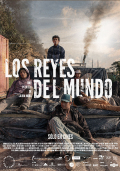
www.netflix.com
|
|
|

|
|
|
|
|

|
|

|
|
National event
9 Cineautopsia - Bogotá Experimental Film Festival
August 18 - August 25
|
|
|
|
National event
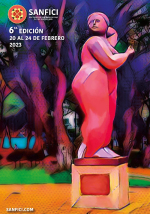
6 SANFICI - Santander International Independent Film Festival
February 20 - February 24
|
|

|
PROIMAGENES COLOMBIA and PANTALLA COLOMBIA are registered trademarks.
All of our content is protected by international law. Use of this website constitutes acceptance of the Terms and Conditions of Use. Consult our Personal Data Protection Policy. If you use information that is published on this site, you must always cite www.pantallacolombia.com as the source.
If you do NOT want to receive PANTALLA COLOMBIA or have received a subscription you are not interested in, please send an e-mail to pc@proimagenescolombia.com with Subject BORRAR, or clicking here.
Update your information by clicking here.
|